
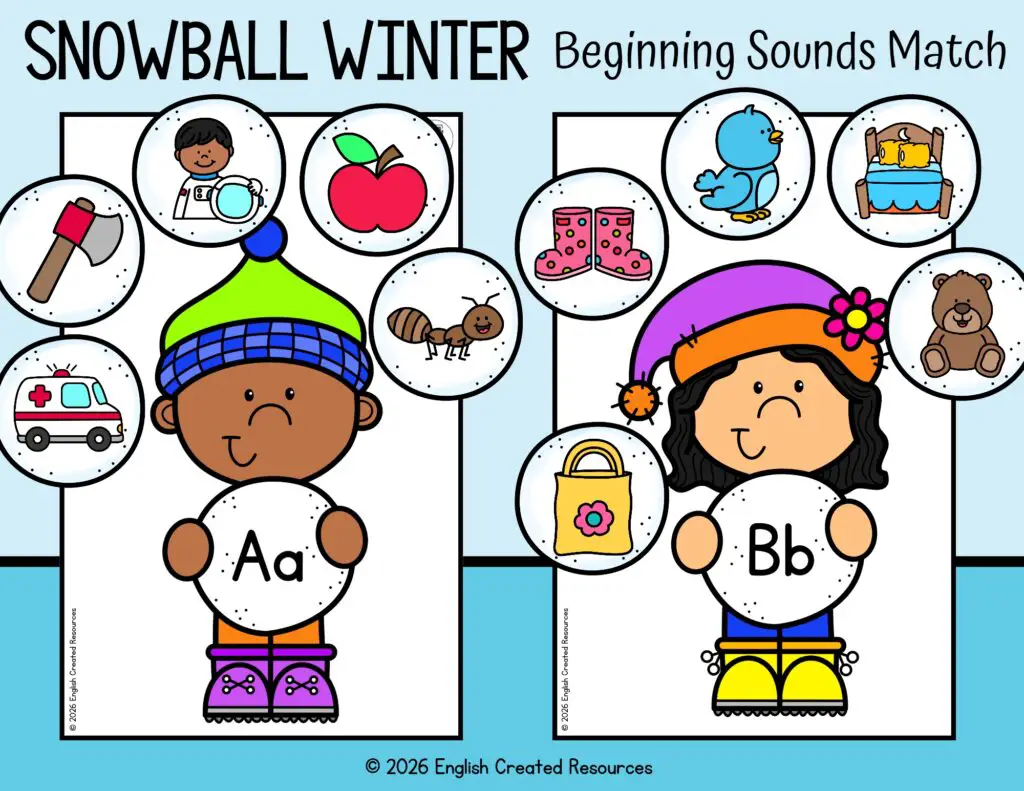
Snowball Beginning Sounds Match
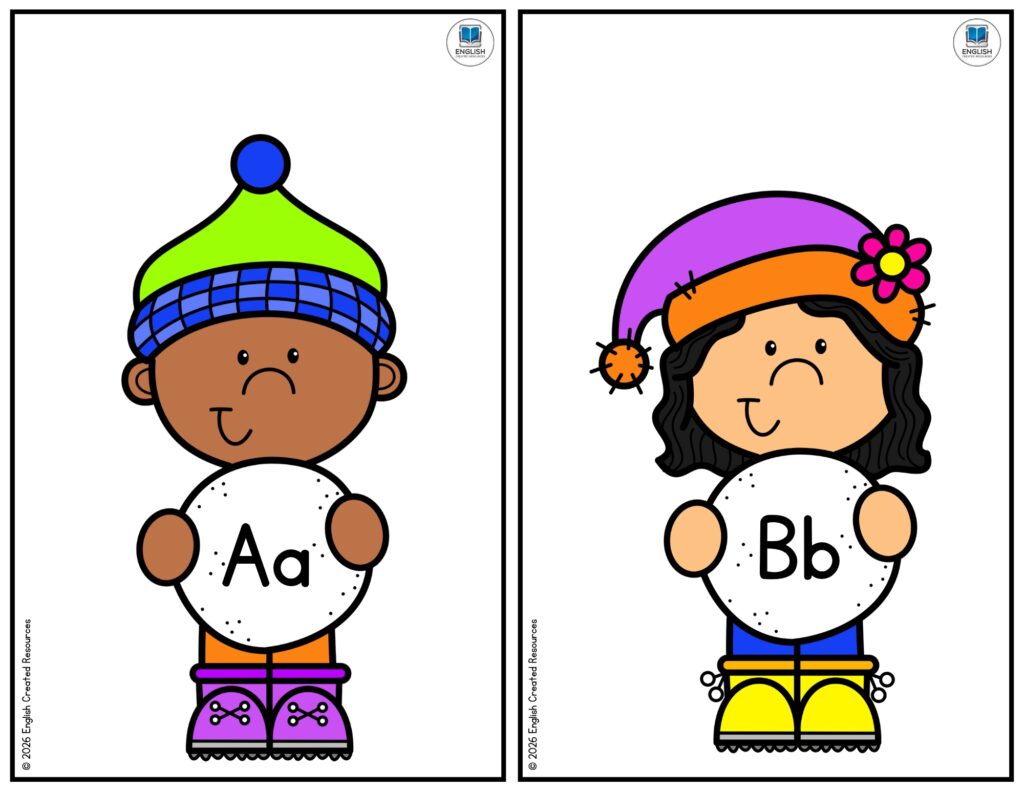
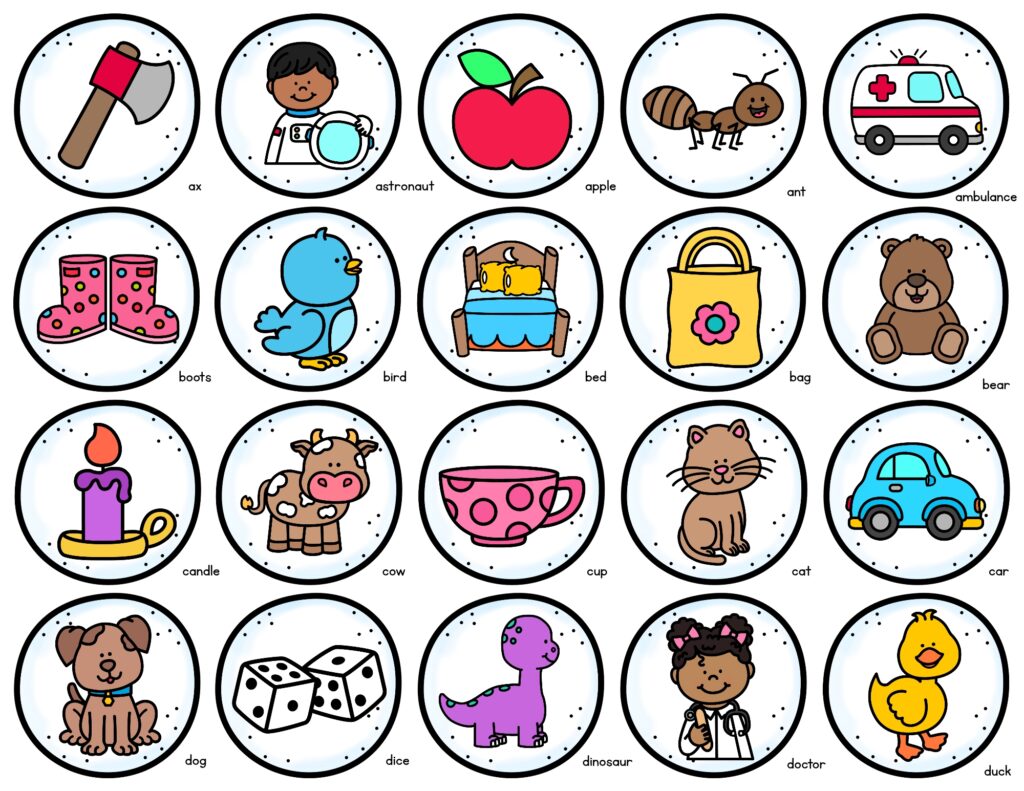
Snowball Beginning Sounds Match is an engaging and meaningful early literacy activity that plays a vital role in the language development of preschool children. During the preschool years, children are just beginning to understand that spoken words are made up of smaller sounds, and this awareness is the foundation for future reading success. By matching snowballs to pictures or letters based on their beginning sounds, children start to recognize how words begin and how sounds connect to letters. This playful approach turns abstract phonics concepts into concrete experiences that young learners can easily understand and enjoy.
One of the most important benefits of the Snowball Beginning Sounds Match activity is the development of phonemic awareness. Phonemic awareness is the ability to hear, identify, and manipulate individual sounds in spoken words. When preschool children listen carefully to the first sound in a word and match it to the correct letter or image, they are training their ears to notice sound differences. This skill is essential for learning to read and spell later on, as children who can identify beginning sounds are more prepared to decode words and recognize patterns in language.
This activity also supports early letter recognition in a natural and meaningful way. Instead of memorizing letters in isolation, children see letters as symbols that represent sounds they already know from everyday words. For example, matching a snowball labeled with the letter “B” to a picture of a ball helps children connect the letter to its sound. These repeated, hands-on experiences strengthen memory and help children recall letter-sound relationships more easily. Over time, this builds confidence and reduces frustration when children encounter letters in books or classroom materials.
Snowball Beginning Sounds Match is especially effective because it is hands-on and interactive. Preschool children learn best through play, movement, and exploration rather than passive instruction. Picking up snowballs, sorting them, and placing them in the correct spots encourages active participation. This physical involvement keeps children engaged for longer periods and helps reinforce learning through muscle memory. The excitement of a game-like activity also motivates children who may otherwise struggle to focus during traditional lessons.
Another important aspect of this activity is the development of listening and concentration skills. To successfully match the snowballs, children must listen carefully to the word being said, focus on the initial sound, and think about which letter or picture matches that sound. This process strengthens attention span and auditory processing, both of which are essential skills for classroom learning. As children practice these skills regularly, they become better at following instructions and staying engaged in learning tasks.
Snowball Beginning Sounds Match also supports vocabulary growth. As children talk about the pictures and name the objects they see, they are exposed to new words and encouraged to use language to express their thoughts. Teachers and caregivers can extend the activity by discussing the objects, using them in simple sentences, or asking children to think of other words that start with the same sound. These conversations enrich children’s language experiences and help them build a stronger vocabulary, which is closely linked to reading comprehension in later years.
The social and emotional benefits of this activity are equally important. When children work on Snowball Beginning Sounds Match in small groups or pairs, they learn to take turns, share materials, and cooperate with others. Successfully matching sounds gives children a sense of achievement, boosting their self-confidence and encouraging a positive attitude toward learning. For children who may feel unsure about their abilities, the playful and non-threatening nature of the activity helps reduce anxiety and promotes a love for learning.
This activity is also highly adaptable to different learning levels and needs. Teachers can start with simple, familiar sounds and gradually introduce more challenging ones as children progress. For children who need extra support, visual cues and repeated practice can make the task more accessible. For advanced learners, the activity can be extended by asking them to think of additional words that start with the same sound or to sort snowballs by sound categories. This flexibility ensures that all children can benefit from the activity at their own pace.
In addition, Snowball Beginning Sounds Match encourages creativity and imagination, especially when presented with a seasonal theme. The snowball concept adds an element of fun and excitement, making learning feel like play rather than work. Seasonal and themed activities help children connect learning to real-life experiences and keep them interested and motivated. When children enjoy what they are doing, they are more likely to remember what they learn and develop a positive relationship with literacy activities.
In conclusion, Snowball Beginning Sounds Match is a powerful and effective activity for supporting early literacy development in preschool children. It strengthens phonemic awareness, letter recognition, listening skills, vocabulary, and concentration while also promoting social interaction and emotional growth. Through hands-on play and meaningful engagement, children build the essential foundations they need for future reading and academic success. By incorporating activities like this into early childhood classrooms, educators and caregivers can nurture confident, curious, and capable young learners who are excited about language and learning.
Samples From the Activity