
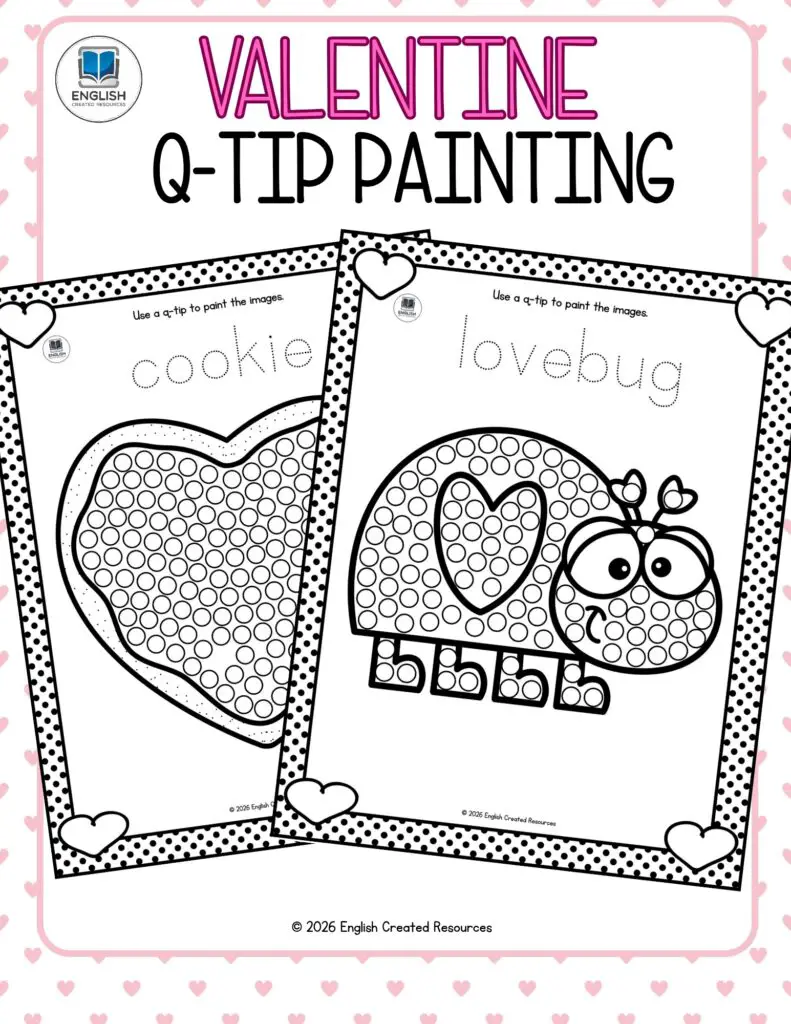
Valentine Q-Tip Painting
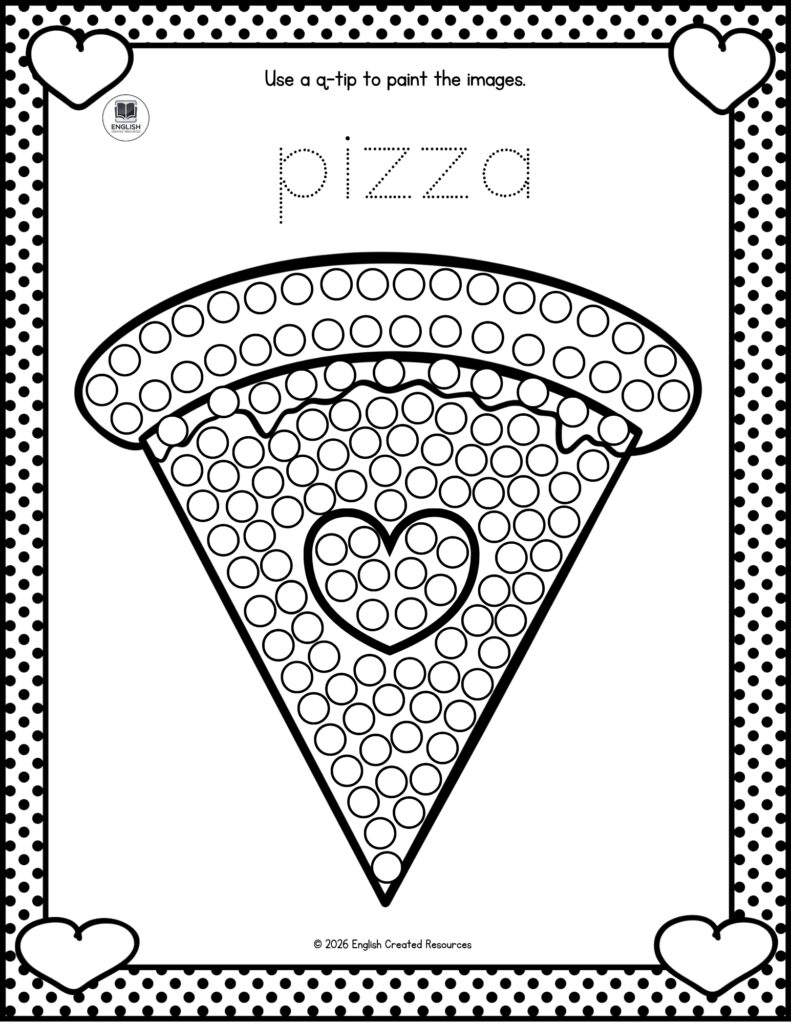
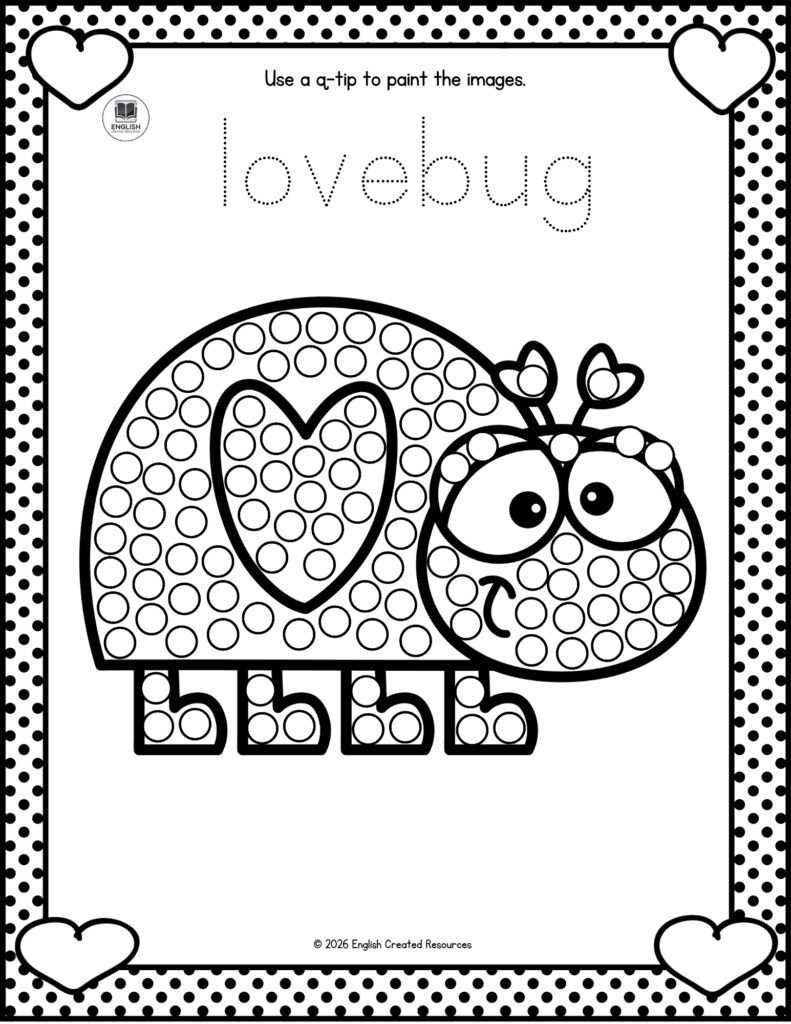
Valentine Q-Tip painting is a meaningful and developmentally rich art activity for preschool children, especially when connected to a celebration like Valentine’s Day. This activity combines creativity, sensory exploration, and emotional learning in a way that is age-appropriate and engaging. Through the simple use of Q-tips and paint, children are introduced to new ways of expressing themselves while enjoying the festive theme of love, kindness, and friendship that Valentine’s Day represents. The process of dipping, dotting, and creating images helps young children feel successful and confident in their abilities, which is essential during the early childhood years.
One of the most important benefits of Valentine Q-Tip painting is the development of fine motor skills. Preschool children are still learning how to control the small muscles in their hands and fingers. Holding a Q-tip, dipping it into paint, and carefully placing dots on paper strengthens hand muscles and improves finger coordination. These skills are foundational for later tasks such as writing, cutting with scissors, buttoning clothes, and tying shoelaces. The repetitive dotting motion allows children to practice control in a fun and stress-free way, making learning feel like play.
Valentine Q-Tip painting also supports hand-eye coordination. As children look at their paper and aim their Q-tip to place paint in specific areas, they are learning how to coordinate what they see with how they move their hands. This skill is essential for many everyday activities and academic tasks. Whether children are filling in heart shapes, creating flowers, or decorating Valentine cards, they are practicing focusing their eyes and guiding their hands accurately, which builds concentration and visual awareness.
Creativity and imagination are strongly encouraged through this activity. Valentine themes often include hearts, flowers, cupids, and symbols of love and friendship. Preschool children are given the freedom to choose colors, create patterns, and design their artwork in their own unique way. There is no right or wrong result, which helps children feel safe to explore and experiment. This freedom builds creative thinking and allows children to express their ideas and emotions visually, even before they have strong language skills.
Emotional development is another key benefit of Valentine Q-Tip painting. Valentine’s Day focuses on positive emotions such as love, kindness, sharing, and caring for others. While painting, teachers and caregivers can talk with children about these feelings in simple and meaningful ways. Children may create artwork as gifts for family members, friends, or classmates, which helps them understand the joy of giving and expressing affection. This strengthens emotional awareness and helps children build empathy and social connections.
This activity also promotes sensory development. The feel of the Q-tip, the texture of the paint, and the visual experience of bright colors stimulate multiple senses at once. Sensory experiences are especially important for preschool children because they help the brain form strong connections. Exploring paint in a controlled and creative way supports sensory integration and helps children become more comfortable with different textures and materials.
Valentine Q-Tip painting encourages focus and patience. Preschool children often have short attention spans, but engaging art activities can help them practice staying with a task for longer periods of time. As children carefully dot their designs, they learn to slow down, follow simple steps, and complete a project. This builds self-regulation and persistence, which are important skills for success in both school and daily life.
Language development can also be supported through this activity. While children paint, teachers can introduce new vocabulary related to colors, shapes, emotions, and Valentine themes. Children may be encouraged to talk about their artwork, describe what they are creating, or explain who the painting is for. These conversations help build expressive language skills and confidence in communication, especially in a relaxed and enjoyable setting.
Valentine Q-Tip painting also supports early math and cognitive skills. Children may count dots, recognize patterns, identify shapes like hearts and circles, or compare colors and sizes. These simple concepts are naturally woven into the activity without pressure. Learning through hands-on experiences helps preschool children understand abstract ideas in a concrete and meaningful way.
Finally, Valentine Q-Tip painting creates a positive and joyful classroom or home environment. It allows children to celebrate a special occasion through creativity and play while building important developmental skills. The sense of accomplishment children feel when they finish their artwork boosts self-esteem and encourages a love for learning. Through this simple yet powerful activity, preschool children grow emotionally, socially, physically, and cognitively, making Valentine Q-Tip painting an excellent choice for early childhood education.
Samples From the Activity