

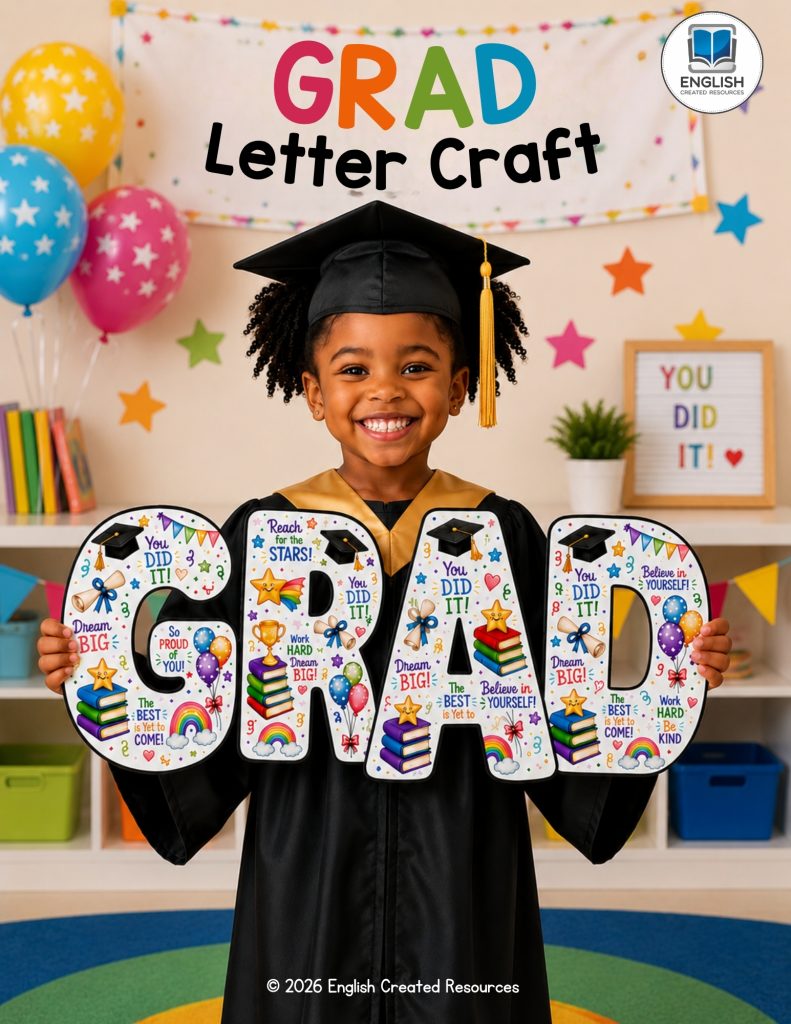
Grad Letter Craft
Graduation letter crafts are one of the most meaningful and enjoyable learning activities for preschool children because they combine creativity, emotional growth, fine motor development, language learning, and confidence-building in one engaging experience. Preschool children learn best through hands-on activities that allow them to touch, color, cut, glue, decorate, and express themselves freely. A graduation letter craft gives young learners the opportunity to celebrate their learning journey while also practicing many important developmental skills that prepare them for kindergarten and future academic success. These activities may seem simple on the surface, but they provide deep educational value that supports the whole child socially, emotionally, physically, creatively, and academically.
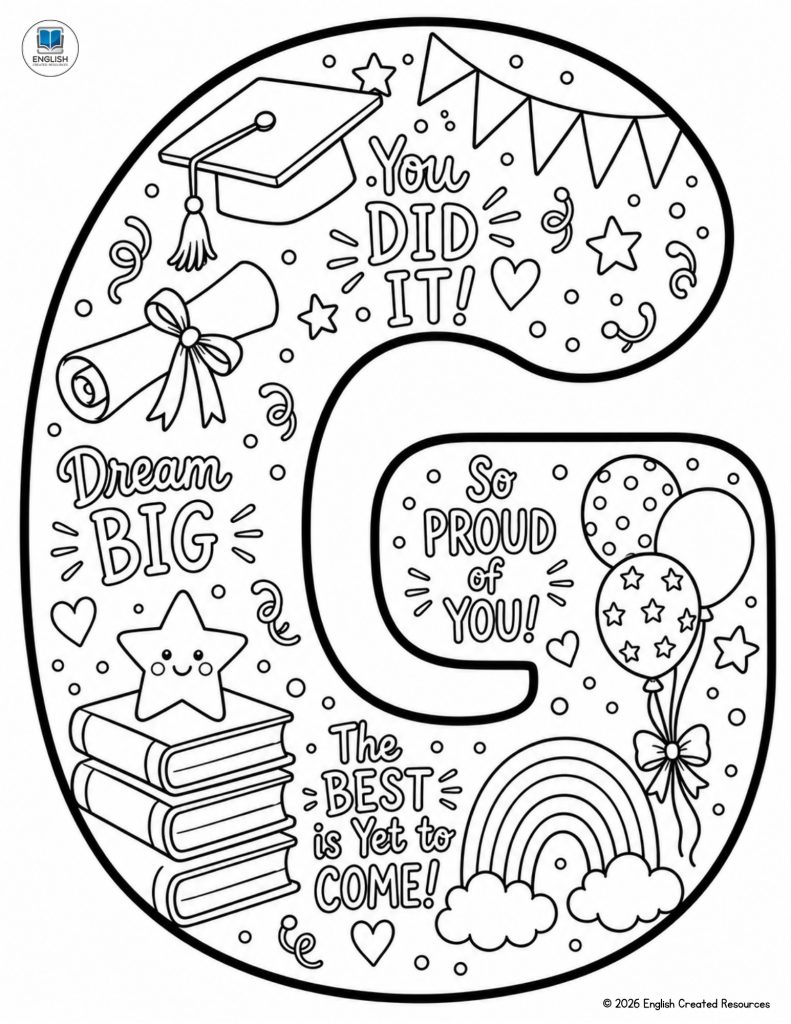
Preschool children are naturally curious and imaginative. They enjoy activities that allow them to create something special with their own hands. Graduation letter crafts turn ordinary classroom learning into exciting memories. When children decorate letters with graduation hats, stars, diplomas, smiling faces, school symbols, or colorful patterns, they begin to connect positive emotions with learning and school experiences. This emotional connection is extremely important during the early years because it helps children develop a love for education from a young age. A child who feels proud, happy, and excited while learning letters is more likely to remain motivated and confident in future school experiences.
One of the greatest benefits of graduation letter crafts is the development of fine motor skills. Preschool children are still learning how to control the small muscles in their hands and fingers. Activities such as coloring, tracing, cutting shapes, holding crayons, gluing decorations, and placing small craft pieces help strengthen hand muscles and improve coordination. These skills are essential for writing, drawing, buttoning clothes, using scissors, and many other daily tasks. Repeated practice through fun crafts allows children to develop these abilities naturally without feeling pressure. Because graduation crafts feel playful and exciting, children stay engaged longer and practice these important skills more willingly.
Letter recognition is another major educational benefit. Preschool children are in the early stages of learning the alphabet, sounds, and basic literacy concepts. Graduation letter crafts make alphabet learning more memorable because children interact directly with the shapes and forms of letters. Decorating a giant uppercase or lowercase letter helps children notice its structure and appearance. When teachers discuss the letter sound, words that begin with the letter, and related images during the activity, children strengthen their phonics and vocabulary skills at the same time. This type of hands-on alphabet learning supports visual memory and helps children retain information more effectively than passive learning methods alone.
Graduation-themed crafts also encourage creativity and imagination. Preschoolers love expressing themselves through art, and open-ended craft activities allow every child to create something unique. Some children may choose bright colors while others add patterns, stickers, or drawings. This freedom builds confidence and helps children feel proud of their individual ideas. Creativity is a very important part of early childhood education because it supports problem-solving, independent thinking, and emotional expression. Children who regularly participate in creative activities often become more confident when trying new tasks or sharing their ideas with others.
Another important benefit is emotional development. Graduation represents achievement, growth, and progress. Even at a young age, preschool children can feel proud of how much they have learned. Graduation letter crafts help children celebrate their accomplishments in a joyful and age-appropriate way. When children complete a graduation-themed project, they experience a sense of success and ownership. They see that their efforts matter and that learning leads to positive outcomes. These feelings help build self-esteem and encourage children to view themselves as capable learners.
Preschool graduation activities also help children transition emotionally from preschool to kindergarten. Change can sometimes feel scary or overwhelming for young children. Graduation crafts create positive conversations about growing up, learning new things, and moving to the next stage of school. Teachers and parents can use these activities to help children feel excited instead of anxious about the future. Celebrating graduation through crafts creates happy memories associated with educational growth, which helps children approach new experiences with greater confidence.
Social development is another valuable part of graduation letter craft activities. Preschool children often complete these projects in group settings where they share supplies, discuss ideas, help classmates, and work together. These interactions teach cooperation, patience, communication, and teamwork. Children learn how to wait for turns, respect other people’s work, and encourage their peers. Positive classroom experiences like these help children develop healthy social skills that are important for future learning environments.
Language development is naturally supported during graduation craft activities as well. Teachers often talk with children about letters, colors, shapes, graduation vocabulary, school memories, and future goals while crafting. Children practice listening, speaking, answering questions, and expressing thoughts. Conversations during hands-on learning activities are extremely valuable because they feel natural and meaningful to children. This helps expand vocabulary and strengthens communication skills in a relaxed environment.
Graduation letter crafts can also strengthen the connection between home and school. Parents love receiving personalized crafts created by their children, especially graduation keepsakes that celebrate important milestones. These crafts become treasured memories that families often save for many years. When parents admire a child’s work and celebrate their accomplishments, children feel valued and supported. This encouragement motivates children to continue learning and participating positively in school activities.
Another important aspect is that graduation crafts support different learning styles. Some children learn best visually, others through movement and touch, and others through discussion and creativity. Craft activities combine many learning methods together, making them effective for a wide variety of learners. Visual learners benefit from colorful designs and letter shapes. Kinesthetic learners benefit from hands-on cutting and gluing. Auditory learners benefit from songs, discussions, and letter sounds during the activity. This inclusive learning approach helps all children participate successfully.
Preschool graduation letter crafts also encourage independence. Young children feel proud when they complete tasks on their own. Choosing colors, placing decorations, tracing letters, or assembling craft pieces gives children opportunities to make decisions independently. These experiences help children develop responsibility and confidence in their abilities. Even small accomplishments can have a big impact on a preschool child’s emotional growth and willingness to try new challenges.
The joyful nature of graduation crafts also helps create positive classroom memories. Early childhood experiences shape children’s attitudes toward school for many years. Happy learning moments filled with creativity, celebration, laughter, and encouragement help children feel emotionally connected to school environments. When preschool classrooms include fun and meaningful activities like graduation letter crafts, children often develop stronger enthusiasm for learning and participation.
These activities can also introduce children to the idea of goals and achievement in a simple and healthy way. Preschoolers begin to understand that learning letters, numbers, songs, routines, and classroom skills leads to growth and celebration. Graduation crafts symbolize the completion of an important stage in their learning journey. This helps children appreciate their progress and recognize the value of effort and persistence.
Art-based graduation activities are also beneficial because they reduce stress and encourage emotional expression. Young children sometimes struggle to express feelings through words alone. Crafting provides a calming and enjoyable outlet for emotions. Some children express excitement, pride, happiness, or even nervous feelings about graduation through their artwork and conversations during the activity. This emotional release supports healthy development and classroom well-being.
Teachers also benefit from using graduation letter crafts because they provide opportunities to assess student development informally. While children work, teachers can observe fine motor skills, attention span, letter recognition, creativity, social interaction, and communication abilities. These observations help educators understand each child’s strengths and areas where additional support may be needed.
Graduation letter crafts can easily be adapted for different skill levels and classroom themes. Some children may trace letters while others independently decorate or write words. Teachers can include graduation caps, diplomas, stars, school buses, books, crayons, or classroom memories within the designs. This flexibility allows activities to remain engaging and developmentally appropriate for all learners.
The sense of pride children feel when displaying their graduation crafts is extremely valuable. Seeing their artwork hanging on classroom walls or taking it home to family members gives children a sense of accomplishment and belonging. Recognition and celebration are powerful motivators for preschool children. When children feel proud of their work, they become more eager to participate in future learning experiences.
Graduation letter crafts also create opportunities for meaningful storytelling and reflection. Teachers may encourage children to talk about their favorite preschool memories, friendships, songs, games, or things they learned throughout the year. These conversations strengthen memory skills and emotional understanding while helping children appreciate their growth. Reflecting on positive experiences also builds gratitude and confidence.
In many classrooms, graduation crafts become part of special ceremonies or memory books. These keepsakes preserve important milestones in a child’s educational journey. Years later, families often treasure these simple projects because they represent growth, innocence, and joyful learning experiences. The emotional value of these crafts extends far beyond the classroom.
Most importantly, graduation letter crafts remind children that learning can be joyful, creative, meaningful, and exciting. Preschool education is not only about academic preparation but also about helping children feel loved, confident, curious, and capable. Activities that combine celebration with learning create strong emotional foundations that support lifelong educational success. Through graduation letter crafts, preschool children strengthen essential developmental skills while also creating happy memories that encourage a positive attitude toward school and learning for years to come.
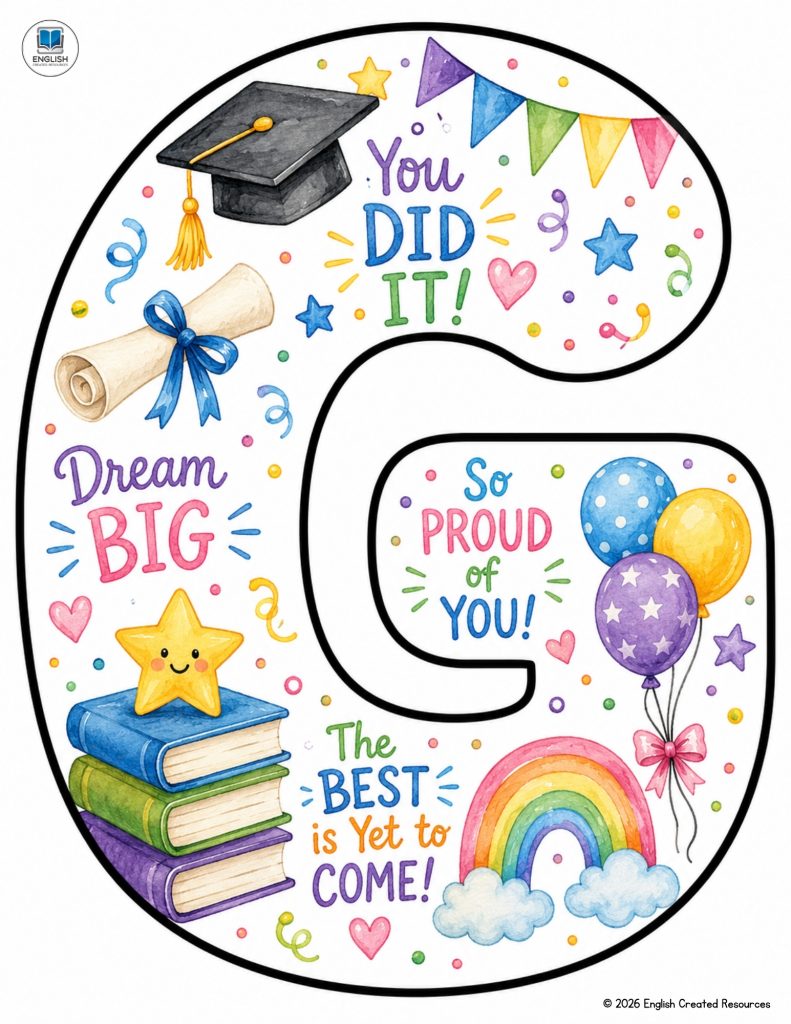
Samples from the Craft



Amazing job thank you very much for the great effort you’re doing