
End of Year Handprints
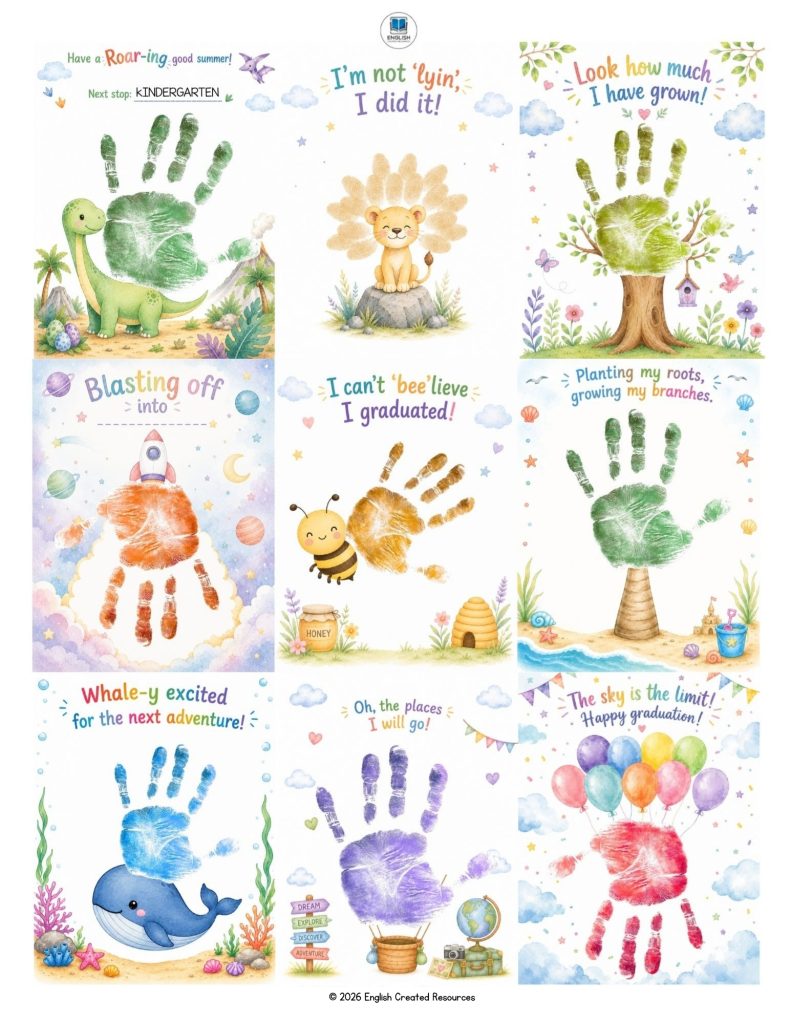
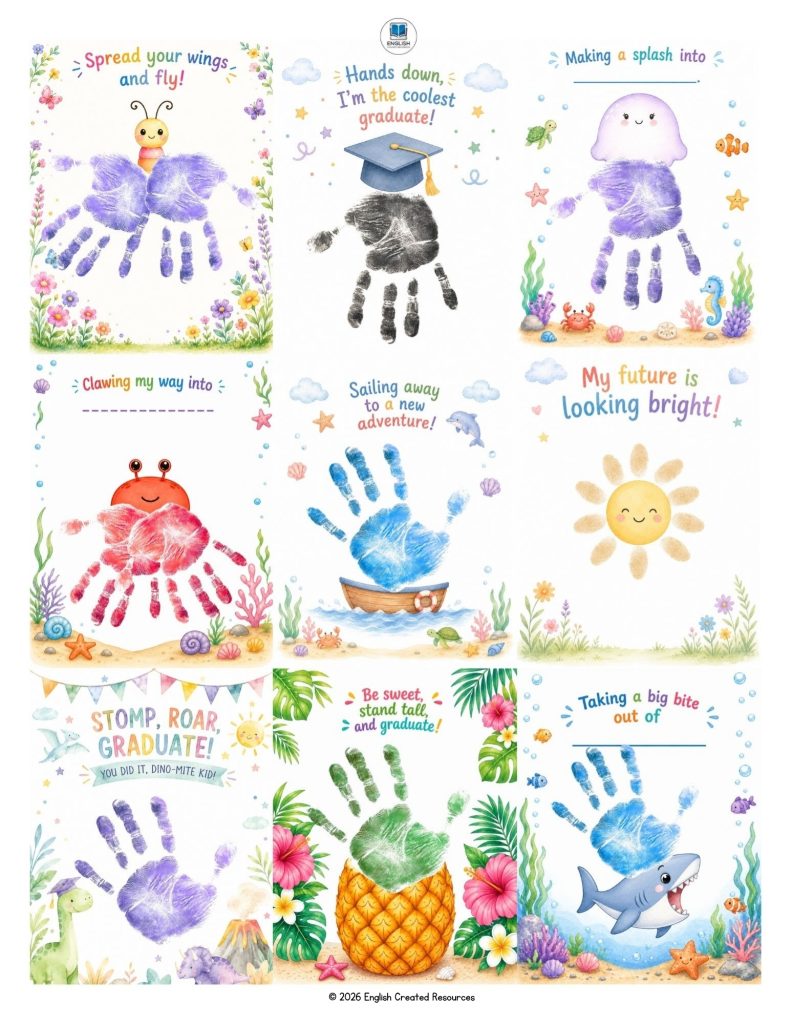
End of Year Handprints activities are very important for preschool children because they combine creativity, emotional development, memory-making, learning, and family connection in one meaningful experience. In preschool, children grow and change very quickly. Their tiny hands become a symbol of how much they have learned during the school year. A simple painted handprint may seem small, but it carries deep emotional and educational value for children, teachers, and families.
End of Year Handprints projects help celebrate growth, preserve memories, build confidence, encourage creativity, and strengthen the bond between home and school. These activities are not only fun art projects but also powerful developmental tools that support young learners in many ways.
One of the most important reasons End of Year Handprints activities matter is because they create lasting memories. Preschool years pass very quickly, and children change dramatically in size, skills, and personality within a single school year. Parents often treasure handprint keepsakes because they capture a moment in time that can never be repeated. A child’s tiny handprint becomes a memory frozen forever. Years later, families can look back at the artwork and remember the child’s preschool experience, favorite teachers, classmates, and special milestones. These keepsakes often become family treasures that are saved in memory boxes, scrapbooks, or displayed on walls.
For preschool children, End of Year Handprints projects also help build a sense of accomplishment. At the end of the school year, children need opportunities to reflect on what they have achieved. Preschoolers are still learning how to understand progress and growth. When they complete a handprint activity, they feel proud of their work and excited to share it with others. Teachers can connect the project to conversations about everything the children learned during the year, such as letters, numbers, colors, shapes, songs, friendships, routines, and classroom responsibilities. This helps children recognize their own success and feel more confident moving forward to the next grade level.
Handprint activities also support emotional development. The end of the preschool year can bring many emotions for young children. Some children feel excited about moving to kindergarten or the next class, while others may feel nervous, sad, or uncertain about change. End of Year Handprints projects give children a comforting and positive way to process these emotions. Creative activities help children express feelings that they may not yet know how to explain with words. Painting hands, making colorful prints, and decorating keepsakes create joyful experiences that make transitions feel more positive and less stressful.

Another important benefit is that handprint projects encourage creativity and self-expression. Preschool children love sensory experiences, and painting with hands is exciting and engaging for them. They enjoy choosing colors, decorating around their handprints, and adding personal touches. Some children may turn their handprints into flowers, butterflies, trees, animals, or graduation-themed art. Others may add drawings, stickers, or their names. This freedom allows children to express their personalities and imagination in meaningful ways. Creative activities also help children develop independence and decision-making skills because they make choices about how their artwork will look.
End of Year Handprints activities also support fine motor development. Preschoolers are still strengthening the small muscles in their hands and fingers. During handprint projects, children practice important motor skills by painting, pressing, cutting, gluing, drawing, and decorating. These actions improve hand-eye coordination and finger control, which are essential for future writing skills. Even simple actions like holding a paintbrush or peeling stickers help strengthen the muscles children need for kindergarten readiness.
In addition to fine motor skills, handprint projects encourage sensory learning. Preschool children learn best through hands-on experiences. Feeling paint on their hands, pressing their palms onto paper, and exploring textures provide sensory input that supports brain development. Sensory activities help children stay engaged, focused, and excited about learning. For many preschoolers, tactile experiences make learning more memorable and enjoyable.
End of Year Handprints projects also strengthen the connection between school and home. Families love receiving meaningful keepsakes from their children’s preschool years. A handprint craft is more personal than many other classroom activities because it includes a direct impression of the child. Parents often feel emotional when they receive these projects because they represent love, growth, and childhood memories. Teachers can also include special messages, poems, dates, or photographs alongside the handprints to make the keepsakes even more meaningful. This strengthens family engagement and helps parents feel connected to their child’s educational journey.
Another reason these activities are valuable is because they help children practice following directions and completing multi-step tasks. Preschoolers learn important classroom skills during art activities. Teachers may guide children through steps such as washing hands, choosing colors, placing hands carefully, waiting for paint to dry, and cleaning up materials afterward. These routines support listening skills, patience, self-control, and responsibility. Completing a project from beginning to end also teaches perseverance and focus.
Handprint activities can also support language development. Teachers often encourage children to talk about their artwork, colors, memories, and feelings during the activity. Children may describe what they created, explain why they chose certain decorations, or share their favorite memories from the school year. These conversations help expand vocabulary, communication skills, and confidence in speaking. Teachers can also read poems, stories, or songs related to growth, friendship, graduation, or summer, making the activity even more educational.
Another important aspect of End of Year Handprints projects is that they help build classroom community. Throughout the preschool year, children form friendships and learn social skills. Group handprint murals or collaborative projects remind children that they are part of a classroom family. Seeing everyone’s handprints together creates a sense of belonging and teamwork. Children feel proud to contribute to something special with their classmates. This strengthens social-emotional learning and positive peer relationships.
These activities can also become meaningful traditions in preschool classrooms. Traditions create stability, comfort, and excitement for young children. When teachers include End of Year Handprints projects every year, the activity becomes a special celebration that children and families look forward to. Traditions help create positive memories associated with school and learning. They also give teachers opportunities to reflect on each class and celebrate the unique personalities and growth of their students.
End of Year Handprints projects can also support cultural and family appreciation. Teachers can encourage children to share their projects with family members and talk about what they learned during the year. Some classrooms may connect handprint activities to themes about family love, gratitude, friendship, or dreams for the future. This helps children understand the importance of relationships and appreciation for the people who support them.
Another educational benefit is that handprint projects can be connected to academic learning themes. Teachers may include counting, name recognition, letter tracing, measurement, or color identification within the activity. For example, children may count fingers, compare hand sizes, trace their names, or discuss color mixing. This allows teachers to combine creativity with meaningful educational practice in a fun and engaging way.
Handprint keepsakes also help children develop a sense of identity. Preschool children are beginning to understand who they are as individuals. Creating artwork based on their own hands helps children recognize that they are unique and special. Teachers can encourage positive self-esteem by celebrating each child’s artwork and emphasizing that every handprint is different and beautiful. This promotes confidence, self-worth, and individuality.
For teachers, End of Year Handprints projects are valuable because they provide insight into children’s growth and development. Teachers can observe children’s fine motor skills, creativity, attention span, communication abilities, and emotional responses during the activity. Comparing handprints from the beginning and end of the year may also show physical growth and developmental progress. These projects become meaningful reminders of the impact teachers have on young learners.
Another important reason these activities matter is because they create joy. Preschool children thrive in environments filled with happiness, creativity, and positive experiences. Painting hands and making colorful prints is exciting and memorable for young learners. Joyful activities help children associate school with fun, safety, and love. Positive early school experiences are important because they influence children’s attitudes toward education for many years to come.
End of Year Handprints projects can also help prepare children for transitions into kindergarten or other future learning environments. Celebrating the completion of preschool gives children a sense of closure and readiness for the next step. Teachers can use the activity to talk positively about growing up, learning new things, and becoming more independent. This helps children feel excited rather than fearful about upcoming changes.
These activities are also inclusive and accessible for most preschool children. Handprint art can be adapted for different abilities, learning styles, and developmental levels. Teachers can provide support as needed so every child can participate successfully. This creates an inclusive classroom environment where all children feel valued and capable.
Handprint projects also encourage parent involvement. Families may participate by helping children choose designs, attending end-of-year celebrations, or displaying the artwork at home. Parent involvement is very important in early childhood education because it strengthens children’s confidence and learning outcomes. When families celebrate children’s artwork, children feel proud and supported.
Another meaningful aspect of End of Year Handprints activities is that they encourage reflection. Reflection is an important skill even for young children. Teachers can ask simple questions like “What was your favorite thing this year?” or “What did you learn in preschool?” These conversations help children think about their experiences and recognize personal growth. Reflection also encourages gratitude and positive thinking.
In many classrooms, handprint projects become part of graduation ceremonies or end-of-year displays. These displays make children feel celebrated and important. Seeing their artwork displayed publicly builds confidence and excitement. It also creates a warm and welcoming classroom atmosphere for families during end-of-year events.
The emotional value of handprint keepsakes often grows stronger over time. What begins as a simple preschool project may later become one of the most treasured reminders of childhood. Parents frequently save these projects for many years because they represent innocence, growth, and love. Teachers may also keep class photos or examples of student artwork as cherished memories of their teaching journey.
End of Year Handprints activities also remind children that learning is something to celebrate. Preschool education is about much more than academics. It is about building confidence, curiosity, friendships, creativity, and a love for learning. Handprint projects capture all these important aspects in a simple but meaningful way.
In conclusion, End of Year Handprints activities are extremely important for preschool children because they support emotional development, creativity, fine motor skills, sensory learning, memory-making, family connection, classroom community, and confidence. These projects celebrate children’s growth while creating lasting keepsakes that families treasure for years. They help children feel proud of their accomplishments, excited about the future, and connected to the people around them. Although handprint activities may appear simple, they carry deep educational and emotional meaning. They transform small painted hands into powerful symbols of learning, love, growth, and childhood memories that last a lifetime.
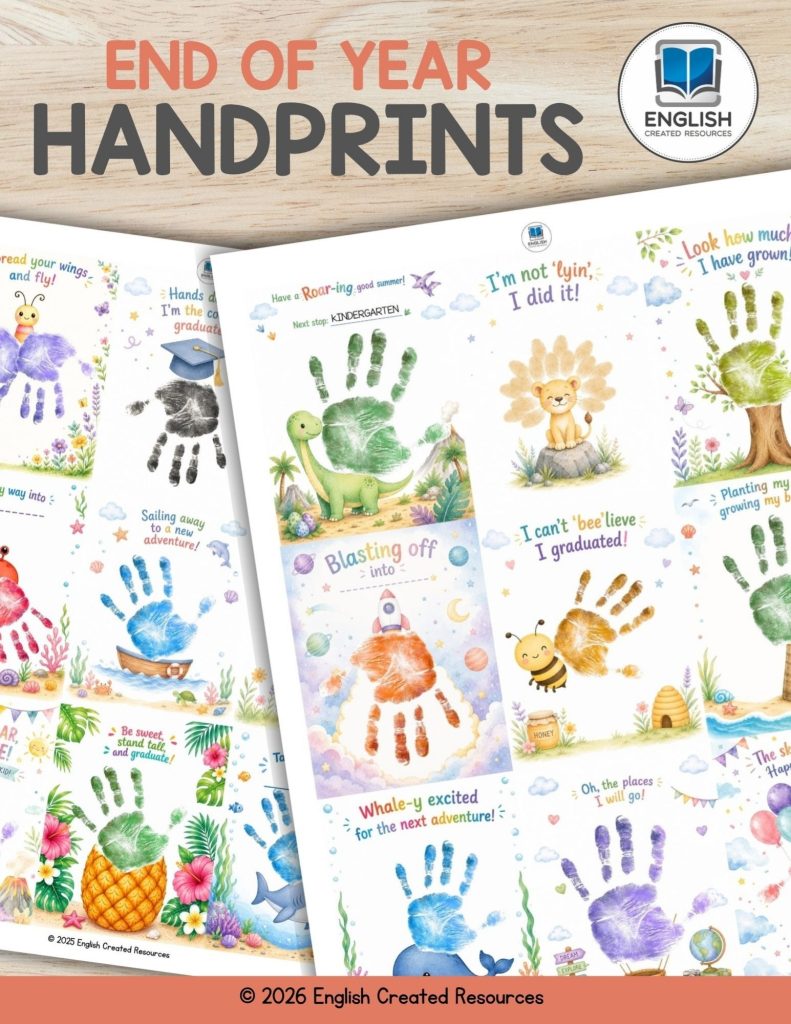
Samples From the Handprints